Showing posts with label review. Show all posts

11.07.2011

Surfer Blood - Tarot Classics EP

7.5


Warner Bros. Records
10/25/11

You know the days of "selling out" are over when a band like Surfer Blood can sign to Warner Bros. Records and no one even notices. When Surfer Blood's debut album dropped last year, it was something of a breath of fresh air. Here was a young band who was not afraid to play anthemic melodies over distorted power chords in the midst of an indie scene obsessed with reverb and banjos. So how does their sound translate to a major label over a year later?

In one thought: pretty well. If you were a Surfer Blood fan who listened in for the big anthemic melodies and the chugging guitar rock, you'll be quite pleased to hear a lot of that sticking around in the Tarot Classics EP. In fact, in just four songs and 15 minutes, the EP does everything you'd want a follow-up to an album that got as much hype as Astro Coast. The EP opens with the chilled-out surf rock song "I'm Not Ready," which is every bit as catchy as many of the tracks off of their debut album. The first thing I noticed when I first heard the EP though, was the improved production and a stronger sense of confidence coming from frontman John Paul Pitts.

Whereas their big hit from Astro Coast, "Swim," was a sloshy rock song soaked in reverb and effects, "I'm Not Ready" features a John Paul Pitts who is confidently seeing past the hype and not having to rely on effects to create a grand sense of scale. And while the band feels as confident in themselves musically as ever, Tarot Classics also finds the band exploring some deeper sentiments lyrically. On "I'm Not Ready," the context of a relationship gives Pitts the chance to sing some surprisingly good advice that goes beyond the beaches and babes: To be a friend means owning up and giving all of yourself / And loyalty is started through loving others like self.

"Miranda," the EP's big single, is also a track that feels like the boys feel right at home at their new Warner Bros. home. While the production throughout the album definitely shines and glistens considerably more than Astro Coast, "Miranda" proves Surfer Blood have still got that youthful, punk-rock attitude that differentiates them from the crowd of indie-wannabes. And although they retain so many of those same unique qualities that made Astro Coast the hit it was, Tarot Classics is most definitely not the sound of a band in stagnation either.

The big surprise of the album is definitely "Drinking Problem," the final track on the album. Featuring an assortment of drum machines and synthesizers, "Drinking Problem" finds the band reaching out and exploring some unexpected sonic territories. Intricate drum machines, warm synth textures, manipulated vocal samples and nostalgic reverb carry Pitts’ melodies out to sea, not so unlike a more rocked-out version of Panda Bear’s album from earlier this year. The lyrics follow Pitts into the psychological traps of addiction and self-pity, repeating “at least I know who my friends are” over and over. Don’t worry, its nothing too deep, but Pitts’ thematic flexibility is reassuring in the least. Ultimately, the track and the EP overall successfully follow-up Astro Coast and paint a promising future for the four-piece beach rockers.

(This review originally appeared at RELEVANTmagazine.com. Score rounded to fit requirements.)

11.01.2011

Kathryn Calder - Bright and Vivid

7.0


10/25/11
File Under: Music

Supergroups are peculiar entities in that they often end up sounding like the egos of their stars battling it out for the listener’s attention. I would guess this is the reason why a band like New Pornographers has always sought to distance itself from such a term. Although it’s true that many of the members of the band had solo projects or previous band experience (Dan Bejar’s Destroyer, Neko Case and Carl “A.C.” Newman’s solo careers), The New Pornographers was many of these indie stars’ first widely successful project, where they encouraged each other to expand out in their solo careers. This open and inspiring environment was what Kathryn Calder (at only 18 years of age) was welcomed into when she officially replaced Neko Case back in 2006—so when she launched her solo career with her first solo album last year, it didn’t come as much of a surprise.

Where that first album of hers, Are You My Mother?, was incredibly personal and introspective, Calder’s sophomore album is much more open and outward-looking. According to Calder herself, Are You My Mother? was an album that she wanted to record for her dying mother at the time, and that deep personal emotion could be plainly heard, bearing itself on each and every song from that album. As a follow-up, Bright and Vivid finds Calder exploring wider sonic landscapes that range from cutesy synth-pop (“Who Are You?”) to more experimental indie rock (“New Frame of Mind”, “All The Things”). While I usually commend artists for branching out, some of the risks she takes on Bright and Vivid just don’t convince me that she is sold on these ideas either.

The album starts with “One, Two, Three” which features these noisy, distorted guitars that come in swelling and layering on top of each other in a way that wouldn’t sound so out of place in a Sonic Youth album. Although even the vocals are a bit distorted, Calder sings a fantastic melody in the verse of “One, Two, Three” that turns and spins in unexpected ways. Easily one of my favorites off the album, this is a song that shows off Calder’s daring new musical persona that is both sweet and catchy, but also dirty and distorted. Unfortunately, not all of the songs on Bright and Vivid manage to strike that same balance.

Check out the rest of the review in this Issue 18 of the Paste mPlayer.

10.18.2011

Class Actress - Rapprocher

8.0


Carpark Records
10/18/2011

Class Actress is the moniker for Brooklyn singer-songwriter Elizabeth Harper, but this definitely isn’t her first venture into the music industry. Harper had released a solo record under her own name back in 2005, but it wasn’t until she hooked up with electronic producer Mark Richardson that her songs were really given the proper vehicle to set herself apart in the indie music world.

Class Actress first started garnering Internet buzz with wonky remixes of songs by Neon Indian and The xx, setting the stage for her EP from 2010 and now her debut album, Rapprocher. According to Harper herself, Class Actress has “crafted sensual music about tragic romance and the eternal longing for all the things you can’t have.” And as ridiculous as that might sound, I couldn’t have described Class Actress’ sound any better myself.

Like most acts that attempt to reclaim glamorous early-‘80s New Wave, Class Actress lives in a completely different era. Like Neon Indian’s first album, the somewhat lo-fi production values and vintage instrumentation never get in the way of the songs, but instead manage to stand alongside them hand-in-hand. This has to do mostly with the fact that the songs themselves on Rapprocher are just infectiously catchy. Whether its the insatiable choruses of “Love Me Like You Used To” or “Weekend,” Class Actress clearly has little interest in the washed-out vocals and melodic inaccessibility of other lo-fi acts. Fortunately, Rapprocher balances these unashamedly poppy and simple melodies with layers of analog synths and vintage drum beats that keep the album from ever being too sugary. In fact, Class Actress actually went through the pain of sampling ’80s drum hits and really gives this album the feel of something that was recorded in 1982.

Ultimately though, the success of Rapprocher hinges on the melodies, vocal delivery, and attitude of Elizabeth Harper. Considering how drastic an image shift Harper took from local acoustic guitar-strumming singer-songwriter to a sex-addicted, caps lock-loving diva, I won’t comment on her legitimacy because the truth is that she completely sells it in Rapprocher. And while Harper doesn’t quite have the charisma of idols like Madonna or even artists who’ve attempted similar image transformations like Lana Del Rey, the heartbroken melodrama of each of the songs projects itself fully in the image Elizabeth Harper bears.

In other words, Class Actress totally pulls it off. Even with the inclusion of a couple of duds on here like “Missed” (where Harper endlessly repeats “You’re gonna miss me” to the point of irritation), for the most part, Rapprocher is a tight little album full of melodramatic pop tunes dripping in ’80s loving.

(This review originally written for PasteMagazine.com. Rating score rounded to match requirements.)

9.30.2011

St. Vincent - Strange Mercy

9.0


4AD
09/12/11

St. Vincent's Strange Mercy is the kind of album that makes me hopeful for the possibilities of indie pop/rock again. Annie Clark isn't interested in gimmicks or style changes or publicity stunts, but instead just being true to herself. The evolution of her musical prowess throughout her past three albums is easy to follow and clear. In fact, many of the same things that have always been a part of St. Vincent's music find a place in Strange Mercy: The big beats, the distorted electric guitars, and the delicately delivered vocals. That's why its even more impressive to say that Strange Mercy is anything but predictable.

The album begins with "Chloe in the Afternoon", with some 60s Sci-Fi synth textures floating behind Clark's leaping vocal melody. The opening of the track sets up the primary dichotomy of the album: the catchy, femininity of Clark's vocals versus the hyper-masculine, prog-rock of her electric guitar playing. The theme of gender and identity run deep throughout the album, popping up in her desire to move beyond the gender roles that society has given her ("I don't want to be a cheerleader no more", "When I was young, coach used to call me the tiger"), while also admitting to the motherly instincts of her own ("Oh little one I'd tell you good news that I don't believe if it would help you sleep"). If you've seen the disturbing music video that accompanies the single, "Cruel", then you know what I'm talking about.

The other dichotomy that runs throughout the album is the one that balances unashamed catchiness and unbridled sonic experimentation. On songs "Northern Lights", Clark writes some of the catchiest vocal and guitar melodies you'll hear this side of her hit single "Actor Out Of Work" from her 2009 album - that is, until it gets to the synth "solo" that consists of a flurry of bleeps and bloops that attack your ears from all directions.

The result is an album that will make you sing along as much as it makes you stop and think. Everything from the clever songwriting to the inventive guitar leads on Strange Mercy exist with this framework and make this, without a doubt, St. Vincent's best work thus far. On "Champagne Year", Clark admits that she "makes a living telling people what they want to hear", yet to me, Strange Mercy is the kind of music that I never knew I wanted to hear. Perhaps that makes it another form of strange mercy in itself.

9.27.2011

yMusic - Beautiful Mechanical

7.5


New Amsterdam Records
09/27/2011

The popularity of the “small ensemble” is quickly becoming one of the most exciting and progressive developments in art music today. With ensembles like Victoire (who released their debut LP last year), Osso (who recorded Sufjan Stevens’ Run Rabbit Run project), and now yMusic, the lines between terms like “ensemble,” “band,” “classical,” and “pop,” are being crossed like they don’t even exist. These young, classically-trained dropouts have all the prestige and virtuosity of classical music degrees with all the attitude and energy of an indie rock band, and yMusic is no different. Having collaborated on stage with acts like St. Vincent and Bon Iver, the ensemble is already well-versed on what it takes to function in the overlapping worlds of pop and classical.

As far as instrumentation goes, yMusic is a sextet made up of a string trio, a trumpet, a flute, and a clarinet. While that might not strike many as being necessarily groundbreaking, the unique ensemble gives yMusic a great amount of flexibility that definitely lends to the success of Beautiful Mechanical, their debut album. These guys can sound as pleasant as a cuddly pop song at times and then without a flinch guide you into swirls of tumultuous avant-garde. That is both in compliment to the ensemble’s committed musicianship and to the composers/musicians who wrote tracks on Beautiful Mechanical.

The album starts off with the title track, which is written by electronic musician Son Lux. The artist’s background in electronica shows through in the track, which is a bubbling piece of post-minimalism that chugs along in frantic rhythms and relentless repetition. The piece’s sound feels akin to the way the composers on Run Rabbit Run interpreted Sufjan Stevens’ album of electronic bleeps and bloops: screeching violins, pulsating rhythms, and an unbridled use of extended techniques.

Although yMusic certainly worked closely with the various composers involved with the album, the fact that yMusic does not write their own music obviously puts the album at a disadvantage. Because of this, Beautiful Mechanical doesn’t have the kind of undeniable character of albums like Victoire’s 2010 album, Cathedral City. While all the tracks certainly exist in a specific musical framework, Beautiful Mechanical probably won’t leave you with the strong impression that yMusic probably hoped it would. However, while this is certainly a weakness of the album, it also allows for some great contributions from some of all of our favorite indie musicians.

One of the strongest moments of the album is the track “Proven Badlands,” which was written by Annie Clark of St. Vincent fame. What’s great about “Proven Badlands” is that it sounds unmistakably like St. Vincent in its harmonic language and melodic structuring. The heavy repetition in the syncopated trumpet hits sound remarkably familiar to songs off St. Vincent’s most recent album, Strange Mercy, maintaining that same bizarre tension between being beautifully sweet and aggressively harsh that runs through so much of Annie Clark’s music.

I really enjoyed some of the chances yMusic boldly took, and many of the them really paid off artistically. One good example is on the final track on the album, “Song,” which features a haunting duo between a tremolo electric guitar and a lone trumpet. However, I was a little less impressed by some of the more cliched “risks” the album took. In particular, Shara Worden’s two short contributions don’t quite stand up to the fine-tuned quality of the rest of the album, unfortunately. “A Whistle, A Tune, A Macaroon” features flutter-tonguing that feels just as needlessly gimmicky as its title, while the bongo drum in “A Paper, A Pen, A Note To A Friend” feels equally out of place.

The centerpiece of the album, “Clearing, Dawn, Dance,” is where yMusic really soars though. The prolific Brooklyn-based composer Judd Greenstein really gives yMusic something to shine with. The 10-minute piece takes the ensemble in a number of directions, but yMusic always seems to one step ahead of the pages and pages of notes that fly by. Greenstein’s contribution is pristine and beautifully pastoral in the same ways that a lot of American classical music has always been. Filling the gap between Aaron Copland and Steve Reich, Greenstein paints huge strokes of color across landscapes and sweeping backdrops and manages to be just accessible enough to effortlessly take the listener along for the ride.

Upon hearing the album, many will wonder at what kind of target market yMusic is after. But that’s also what makes the ensemble so good. The members of yMusic aren’t concerned with labels and demographics, just with producing music that moves them. Will yMusic make classical music relevant again? Probably not. Even still, yMusic’s debut album features the kind of indie pop name-dropping to get new folks interested, while still holding on to the substantial chops that will attract classical music nerds and probably get them featured on NPR’s “Classical” page.

(This review originally written for PasteMagazine.com. Rating score rounded to match requirements.)


9.22.2011

Canon Blue - Rumspringa

7.5


Temporary Residence
08/16/2011

There is a lot to be said about classical or art music influences on the realm of pop music, but the desire to implement the two has always played a crucial role in American music. Whether its through composers like Steve Reich or pop musicians like Sufjan Stevens, the doors for cross-cultural musical assimilation have been blown open, leaving plenty of room for an artist like Canon Blue to exist. Canon Blue is the solo project of singer-songwriter Daniel James and Rumspringa is sophomore album (his first being a collaboration with Grizzly Bear member Chris Taylor). Throughout the album, James seems to be on the mission to make the case that orchestral brass and strings can replace guitars in upbeat pop songs. And in many ways, he succeeds in doing that.

The album opens with some Steve Reich-influenced woodblock hits and repetitious horn blasts that are immediately recognizable to the listener familiar with artists like Steve Reich and Sufjan Stevens. The spin that Canon Blue gives it, though, comes in the form of a big, chugging, four-on-the-floor kick drum. In this opening song, "Chicago (Chicago)", you get a pretty good preview for what most of the album will sound like: Steve Reich orchestrations, polished production, soaring vocal melodies, and wildly energetic drum beats. Like what Local Natives were to Grizzly Bear and Fleet Foxes last year, Canon Blue boosts orchestral pop with an emphatic amount of energy and charisma.

In what feels like another homage to Sufjan Stevens are the geographical references in the song titles. Each named after different American cities, the varied instrumentation and styles represented in the music really give each song a sense of location. Whether its the somber horn sections of "Fading Colors (Bloomington)" or the creeping violin line that opens "A Native (Madison)", the road-trip attitude of the album gives it a strong personality that feels like it takes you from one and place and really takes you to somewhere else. "Honeysuckle (Milwaukee)" opens with fluttering electronics, while songs like "Fading Colors (Bloomington)" feature cooing background vocals against glimmering glockenspiels, each of the songs attempting to do something creative and innovative.

Unfortunately, at times the songwriting and lyric-writing left me a little underwhelmed next to the size of the colossal arrangements. Some of the lyrical themes can feel a little rehashed and predictable, which is a bit of letdown compared to some of the clever wordplay in other tracks. I can't help feel that there was a bit of an opportunity missed in going a bit further with the locations these songs are supposedly based in. I would have loved to hear more specific references to these places that would help differentiate the songs from each other and support the music.

Rumspringa, which literally means "jumping around" or "running around", refers to a coming-of-age adolescence in Amish communities. While there is little in this album in the way of religious thematic material, Canon Blue's sophomore album definitely feels like a release of untamed energy. In some ways, it sounds like a young singer-songwriter discovering the depths of the symphony orchestra for the first time or conversely, the music of a classically-trained music student being redeemed from the shackles of a stuffy music academy. And even though the linear nature of most of the songs were one of the main problems I had with the album, it still feels incredibly youthful and rebellious. Ultimately, Rumspringa is a piece of charming orchestral pop that takes in influences from the likes Sufjan Stevens and Owen Pallett and creates something that is not nearly as daring, but still entirely enjoyable and worthwhile.

5.02.2011

Fleet Foxes - Helplessness Blues

9.5


05/03/11
Sub Pop

Helplessness Blues is the newest album from Fleet Foxes, the folk group out of Seattle that helped put church reverbs, four-part harmony, and old-timey production back on the map with their self-titled debut release in 2009. Back in 2009 I think it was easy for some people to see Fleet Foxes as just another flannel-wearing, beard-growing, group of hipsters pretending like they actually had been alive in the 60s. However, there was always something special about these guys to me. Despite their playfully escapist lyrics about following packs of animals through the forest and singing to meadowlarks, there was a sense of youthful innocence about the whole thing that was delightfully refreshing. For the most part, Helplessness Blues continues a lot of those same vibes and keeps plenty of the band's signature free-loving folk pop around. However, it is also a decisively darker and more experimental album and finds the band confronting some their youthful idealism with harsh doses of reality and doubt.

The band sets the stage of the album with the opening track "Montezuma", something of an understated way to start an album of such huge proportions. Lead singer and songwriter, Robin Peckinfold, starts out the album singing about how quickly life has passed him by as a young adult: "So now I am older/Than my mother and father/When they had their daughter/Now what does that say about me?" Later on, the song even has him looking toward his own grave and simultaneously proving how much he has matured as a lyricist: "In dirth or excess, both the slave and empress/Will return to the dirt I guess, naked as they came/I wonder if I'll see any faces above me/Or just cracks in the ceiling, nobody else to blame".

Most of the album seems to revolve around the coming-of-age theme of aging and understanding your place in the world, highlighted by the centerpiece of the album: the title track. Although the track has been out for quite some time, I hesitate to not bring up the incredibly strong line thats worth the price of admission on its own: "I was raised up believing I was somehow unique/Like a snowflake distinct among snowflakes, unique in each way you can see/And now after some thinking, I'd say I'd rather be/A functioning cog in some great machinery serving something beyond me". Peckinfold seems to have stumbled upon what feels like a manifesto for the twentysomething generation, him being only 25 years old himself. Honestly, I don't know many people around that age that aren't asking similar questions of themselves these days. Having so concisely spoken for their generation, in my mind the Fleet Foxes deserve the highest of lyrical accolades.

Working together in great harmony, the album's conceptual ideas about youth and searching for identity help push the album outside the familiar bounds of pop song structures. Because of this emphasis on looser or more experimental song structures, the songs here end up having much more room for a larger dynamic range and more interesting instrumentation. The song "Sim Sala Bim", for example, goes from a part of the song that is packed to the sonic brim with tremolo strings buzzing, three part harmonies, and what feels like an entire band of guitar strummers, to a single, gentle acoustic guitar and Peckinfold's almost whispered vocals. The songs with multiple sections like the 3-part, 8-minute long, "The Shrine / An Argument", open up the exploratory song structures even more. "The Shrine / An Argument" is a particularly experimental track with its first half exploring some of the more spine-tingling, harsher tones of Peckinfold's voice and its ending erupting in a strange interruption of Colin Stetson going at it on a bass clarinet. Despite how weird that sounds, as the album ebbs and flows with multiple instrumental tracks and multiple part songs, you'll find a lot of places to get lost in the spacious auditory environment that Fleet Foxes have crafted.

There is a lot to say about this album, but so far, the more I listen to it the more I am getting out of it. Whether its the simple, effect-free (no reverb to be heard!) track "Blue Spotted Tail" or the sprawling, Jonsi-esque, epic of an album closer "Grown Ocean", I've found myself constantly finding reasons to return to almost every single one of these tracks. And while not being nearly as perfectly calculated and rounded as the band's first album, I think Helplessness Blues' ability to be just the opposite has resonated with me both musically and lyrically in a way that that the debut album just couldn't have. There is a greater sense of risk here and for the most part, it really pays off. Most importantly though, Helplessness Blues does a great job of tossing aside any speculations that the Fleet Foxes might have been merely a passing trend. These guys are here to stay.


Fleet Foxes - Grown Ocean

4.27.2011

TV on the Radio - Nine Types of Light

8.5


04/11/11
Interscope Records

I think its safe to assume we were all a little spoiled by TV on the Radio's 2008 release, Dear Science. To think that a band with an early discography as noisy and distorted as TV on the Radio's could go on to release something so instantly accessible, perfectly sequenced, and undeniably catchy was something of a strange, indie listener's guilty fantasy. While many of the songs from that album worked great as singles, Dear Science also had an amazing amount of flow and listenability as an album, easily making it both one of the best albums of the year and the best work of their career. "Family Tree", the beautiful string-led ballad from Dear Science, was perhaps the only track from the album that felt a bit out of place to me. The deeply personal lyricism and organic instrumentation of the track felt strange up against the punchy drum loops and aggressive lyrics of tracks like "Dancing Choose" and "Red Dress". Following up that track, their new album seems to set out to create a much more personal and emotional album that might have provided a better space for a song like "Family Tree".

After considering the actual sounds that make up this album, you'll notice that Nine Types of Light doesn't deviate much from the sonic groundwork of Dear Science. This, of course, is not a bad thing at all in my books. You'll still find the Prince-esque falsetto choruses in songs likes "Keep Your Heart" and "You". You'll still find killer bass lines in "Will Do" and the fanfare horn blasts in songs like "New Cannonball Blues". Furthermore, frontman Tunde Adebimpe sounds as good as ever, continuing to have his uncanny knack for writing melodies that are as catchy as they are inventive.

Even so, Nine Types of Light is indeed a different kind of album as a whole. Opening with three slower tempo songs, the guys seem to be less concerned with convincing everyone that they are energetic and creative and more concerned with representing themselves in an honest way. In fact, a large part of the album deals with the topic of relationships and love, something somewhat new for the band. Because of that, Nine Types of Light feels like a much more introverted album, both musically and lyrically. Songs like "You" and "Will Do" are written like love notes from the perspective of direct experiences and emotions. Whereas Dear Science felt a bit heady in its critiques of society and culture, Nine Types of Light turns inward and examines the self. Naturally, this makes the album feel a bit less "important" and intentional at times. As I mentioned before, as the album pushes on to its end it actually finds itself returning to more extroverted themes in songs like "Repetition" and "Caffeinated Consciousness". Unfortunately, to me this is where the album loses a little steam as well.

Because the album is in someways divided into two with most of the slower songs packed to the front and most of the upbeat songs packed toward the end, Nine Types of Light definitely does feels a bit uneven to me. This 'flow' problem is what a lot of critics have been calling Nine Types of Light's primary flaw and I think do now understand what they mean by this after taking a lot of listens. I would much have preferred for the album to have stayed closer the conceptual and musical themes of the first half of the album. After the heartfelt words of "Will Do" are sung, "New Cannonball Blues" feels almost like the startling beginning of a new album.

At the same time, I don't want to act like the album's lack of focus and strange organization has kept me from thoroughly enjoying the songs here. As TV on the Radio pushes forward into mainstream success, Nine Types of Light has plenty of hits on it to satisfy the masses. Even if am not necessarily really feeling the way they chose to lay out the album, Nine Types of Light still manages to take all the accessibility and sonic fidelity of Dear Science and use them to create another great set of songs with that distinctive afro-funk touch that we all know and love.


TV on the Radio - Will Do

4.19.2011

Peter Bjorn and John - Gimme Some

7.0


Startime
03/28/2011

Poor Peter, Bjorn, and John. No matter how good anything they release will be after Writer's Block and their big single, Young Folks, they will always be labeled as a one-hit wonder. Gimme Some is the sixth full-length album from the Swedish indie rockers and finds them returning to the simple, pop/rock sound that got them on iPod commercials and the entire world whistling along. And while some will certainly call this album nothing more than PB&J attempting to cash in on their previous successes, Gimme Some has got enough sunshine pop tunes to keep even the toughest cynics smiling.

Starting with "Tomorrow Has To Wait", PB&J seems determined to show the world that they've got more where Writer's Block came from. The first few tracks are pure, indie bubblegum. The first track, "Tomorrow Has To Wait", has a catchy hook full of pentatonic goodness, even though the lyrics are laced with enough cliches to be a song that you might want to graduate high school to: "It's too late/But tomorrow has to wait/It's the time of your life/So tomorrow has to wait". Even still, the track is a sign that PB&J are serious about their return to fun and lightheartedness and has enough substantial hookyness to keep this one stuck in your head. Where their last album, Living Thing, featured non-traditional song structures, drum machines and synths, and general "more sophisticated than thou" experimentation, Gimme Some brings back the return of the punchy drums and singalong choruses that made Writer's Block so successful.

Their signature high-energy drumming and catchy bass groves are in full force here, proving how full their simple, three-piece band can feel, with the youthful energy of The Beach Boys with the added effect of Peter Moren's John Lennon-esque vocals. But you won't find any ballads or breaks in uptempo pop songs here. Gimme Some never lets up on the breakneck drums and hard hitting electric guitars, perhaps described most fittingly in the song "(Don't Let Them) Cool Off". But I couldn't help feeling a little overwhelmed by all the over-the-top energy of the album at points. Overall, the first half of the album, if not a bit one-dimensial, is a fun and catchy group of pop songs. Perhaps its just the obsessive attention I put on how albums flow, but most of the songs after the melodic wonder "May Seem Macabre" aren't really doing much for me. In the songs that find the band returning to some of their dirtier pop-punk roots, most notably "Black Book", the mix just feels cluttered and claustrophobic.

The problem isn't that there aren't enough hooks or big beats in Gimme Some, its just that once you get halfway through the album you begin to get the feeling that PB&J, despite their best intentions, are trying a little to hard to convince you of how fun they are. Luckily, there are enough memorable tunes here to put it above any of PB&J's more recent efforts and their return to straightforward pop rock turns out to really suits them well. A lot of these songs bubble and burst with joy and summertime bliss and I can totally seem myself returning to this one come July.


Peter Bjorn and John - Tomorrow Has To Wait

4.02.2011

Typhoon - A New Kind of House EP

8.0


Tender Loving Empire
03/08/11

When I first heard Typhoon was a big "epic"-sized band, I'll admit I wasn't exactly super-excited to hear what the talk was all about. Even I, the only guy who thought Sufjan Stevens' most recent album was the best album of 2010, was beginning to become weary of bands who claim to be "bigger-than-life". Maybe its just the Oregonian in me talking, but Portland's Typhoon newest EP has seemed to have revived my faith in the power of "big" once again. Typhoon, more than any other band I've heard of recently, is most certainly that. Featuring 12 band members that could function as their own personal marching band, Typhoon has all the symphonic intricacy of a Sufjan Stevens arrangement and all the communal energy of Arcade Fire's Funeral all contained in a relatively short 5-song EP.

Fortunately, Typhoon relies on their big size in a way that feels musically fundamental to their sound instead of getting in the way of the songs. So when you hear the mariachi-style horns or the crowd of people singing in the opening track, "The Honest Truth", you're hearing the real thing. A New Kind of House is the followup to last year's full-length, Hunger and Thirst, and finds the band becoming a much more cohesive band in the studio. Creating what frontman Kyle Morton calls "walls of sound", A New Kind of House feels like more of a family than a band at times. Their familial themes and lyrics left a heavy impression on me, often leaving me wanting to be adopted and sing right along with them. The fact that they tour in 12-passenger vans and live together in a single studio apartment proves that these guys aren't just adopting some kind of trend: they live it.

You'll notice that at times these songs can sound messy and even a bit crowded at points, as if their big sound didn't quite fit in between the two audio channels on your headphones. And while I'm sure this will turn off some, these songs are full of great moments that only a band this big could produce such as the soaring melody in "Kitchen Tile" or the punchy breakdown in "Claws, Pt. 1". The mix does a great job of bending and fumbling through the montage of instruments, highlighting different parts of this indie-orchestra at different times, but still often keeping the big picture in mind. And while the EP is a bit shorter than I would have preferred, that is always the sign of a good thing. According to Morton, A New Kind of House acts as something of a bridge in between Hunger and Thirst and what comes next. Judging from their recent appearance at SXSW and their plans to begin working on their next full-length this summer, I think its fair to say that this EP isn't the last you'll be hearing from Typhoon.


Typhoon - The Honest Truth

3.28.2011

Jeremy Larson - They Reappear

7.5


Outlook Music Co.
03/15/11

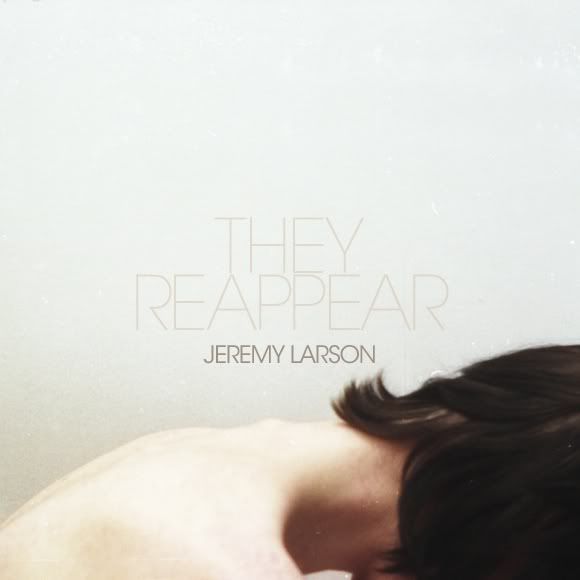
They Reappear is Jeremy Larson's newest self-made album that sees Larson take his lovingly crafted songs in an all new direction. Turning from the more alternative rock sound of his previous album, Salvation Club, They Reappear ditches the electric guitars and thrusts Larson's soaring string arrangements to the front of the mix. Performing all the instruments aside from some guest drumming in a few tracks by MuteMath drummer Darren King, They Reappear is both an orchestral pop album and a solo album unlike anything you've probably ever heard in either of those genres.

In most albums that are made almost completely by one person, sacrifices in certain elements of the songs are almost always present. But Larson's attention to detail is almost unprecedented here; check out the bass line on "Beside Manner" or the string sections on "Parasomnias" for example. Larson is no amateur arranger or singer-songwriter, successfully crossing those pesky classical/pop lines with no effort at all. His string parts are full of subtlety and grace, using plenty of extended techniques and string slides to keep things interesting. Again, not only does Larson play all the instruments on the record, he also produced and mixed the album himself, giving They Reappear an incredibly cohesive and unified feel. I really appreciate Larson's faithfulness to his limited instrument palette and unique harmonic language here and it really does pay off when you listen to the album straight through.

Larson has a particularly good ear for unique chord progressions and melodies. Harmonically, vocally, and thematically, Larson fits in nicely with the recent trend of alternative pop/rock bands transitioning to softer, indie pop sound such as Copeland's Eat, Sleep, Repeat and Sleeping at Last's newer recordings. Larson's breed of orchestral pop is usually content in sitting on slower tempos, favoring light drums and delicate piano over the quicker-paced and aggressive sound of other artists who have utilized string parts like Owen Pallett or John Vanderslice's newest material. Its an exciting new direction for Larson in particular, as he sits in a unique spot as a partially trained classical musician with a good ear for songs as well. In my recent interview with Larson, he mentioned that the album was at first going to be instrumental and act as a sort of resume for diving into the world of television and film scoring. A lot of the instrumental tracks on the album are incredibly strong and provide some of the most poignant moments on the album such as on "Night Terrors" where Larson's fragile piano chords are contrasted against Darren King's frantic drumming or "Provoke" that shows off Larson's music-school piano skill and darker compositional style.

As an album, the songs drift in and out, often blurring the lines between instrumental interludes and full-fledged songs. The songs run into one other, providing a long and continuous experience that definitely lends itself to the overall affect on the listener. However, this part of the album's strengths is also the album's most noteworthy weakness as well. I found it easy to put the record on and let the songs pass by me without a lot sticking out. For the most part, I am totally okay with that as catchy choruses aren't exactly what this album is all about. However, I felt that in a few of the more poppy songs like "Riochet" and "Empire", the songs could have developed more and created a stronger sense of arrival at those choruses both vocally and instrumentally. These are dainty pop songs that have a lot of color and character, but sometimes lack the dynamics required to create those truly memorable moments that you expect in a song of this style. Vocally, I felt like even something as simple as more harmonies and overdubbing could have really brought out the melodies in these songs.

However, I don't want to downplay the personal accomplishment that is They Reappear. Despite some of the problems I had with it, its an incredibly impressive endeavor and is quite satisfying in its own right. Larson has a lot of original ideas and all the musical talent in the world to deliver a great execution. Whether its in a film score, another solo album, or more collaborations with other artists, I definitely am looking forward to hearing more from him. And if you appreciate the classy, more soft rock side of indie pop, you'll certainly find a lot to like in the They Reappear.


Jeremy Larson - Ricochet

3.13.2011

Ivan & Alyosha - Fathers Be Kind EP


7.0


Cheap Lullaby Records
02/01/11

Ivan & Alyosha is a four-piece acoustic folk rock band out of Seattle, Washington, having gained some national attention after being featured on NPR Music recently. Their newest EP, Fathers Be Kind, is a five-song album of acoustic pop songs, dressed in the trendy stylings of Fleet Foxes and Local Natives. Full of catchy melodies, prominent 4-part harmonies, and eccentric percussion, these guys don't shy away from their obvious influences and I want to point out that there's a certain amount of bravery in that. So many indie bands so pretentiously pretend to be influenced by obscure 60s pop and Lady Gaga, when the music that their peers are making seems like a much more familiar place start. The more important thing to ask yourself when approaching a band like this is "does the band make the sound their own"? And for the most part, in this very short EP, Ivan & Alyosha have demonstrated the ability to do just that.

Whether its the heartfelt lyrics on "I Was Born To Love Her" or the sweet verse melody and interesting bridge section of "Everything is Burning", the Fathers Be Kind EP does a good job of keeping the production of these songs feeling pretty novel, while still keeping the focus primarily on Tim Wilson's excellent vocal deliveries. Somewhat surprisingly, these guys even make a choppy drum machine beat sound like folk in "Living for Someone". Lyrically, there are some good ideas, but if enough cringe-worthy moments to show that there is plenty of room to grow for these young songwriters. One of the best tracks is the final song, "Glorify", a gospel-folk song that magnifies these guys' unique spirituality and clever wordplay. Its tracks like these that highlight what sets these guys apart that make the biggest impression on me.

Having not released a full-length LP yet, the Fathers Be Kind EP still feels like group of song sketches in many ways. However, there are enough great moments in this short EP to get me excited for their proposed full-length album to start production in April. So if you are looking to satisfy your hunger for some agreeable, acoustic indie-pop until Fleet Foxes' newest album releases in a couple months, look no further than Ivan & Alyosha's Fathers Be Kind EP. I also recommend picking up their first EP, The Verse, The Chorus as well, which features the delectable single, "Easy to Love".


Ivan & Alyosha - I Was Born To Love Her

3.04.2011

Starfucker - Reptilians


5.5


Polyvinyl Records
03/08/11

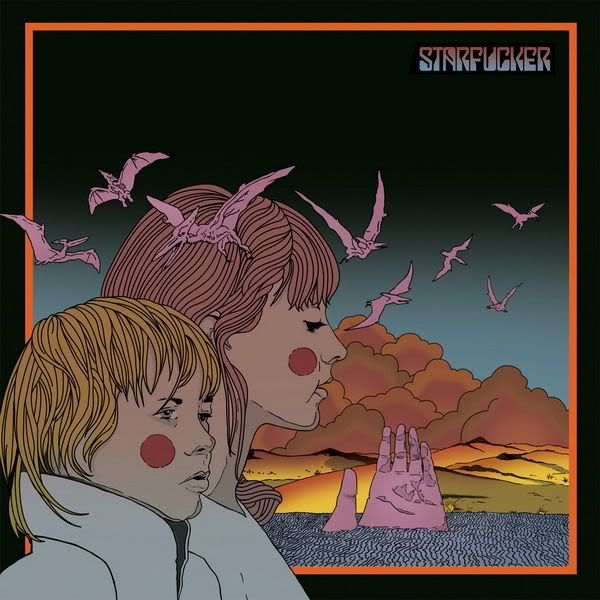
Known for their cross-dressing stage antics and ridiculous band name, Starfucker's actual music isn't quite as controversial. For the most part, this Portland synth-pop act sticks to their guns and crafts simple New Wave dance tracks in the vein of Passion Pit minus Michael Angelakos' mighty vocals. Starfucker's brand of electro-pop is heavily focused on the analog synths and keyboard textures and less on the vocals. This, by the way, usually works to their advantage, as Starfucker usually plays with some awesome synth sounds and intricate guitar work that give each of their songs a pretty unique feel. More than many other bands out there, these guys are great with their synthesizers and usually find great atmospheres in which to write their songs.

Even still, you can't help but feel a bit shortchanged when the vocals are pushed this far into the background in what would have been otherwise fully produced dance tracks like "Bury Us Alive" and "Death As a Fetish". The instrumental intros of these songs sound like they really want and deserve a properly confident singer and melody to appear, but unfortunately, remain barren. The songs where the vocals stand out a bit more like "Julius" and "Astoria" really show the songwriting potential of the band. "Julius" might be this album's "Pop Song", a sneakily catchy song who's understated melody will grow on you despite its lack of support. However, the solid melodies appear too far and between to give the album the proper balance it deserves.

The band calls their sound "dance music that you can actually listen to, that's good pop songs, but also you can dance to it." With a band statement like that, you can't expect the most original music in the world. For a band who chose their name based on how far they thought they could go with it, Starfucker doesn't seem too worried about making artistic statements or sonic breakthroughs. Even still, to break into the circle of indie synth-pop powerhouses like Passion Pit, Mat and Kim, and Robyn, these guys are going to have to learn to write a melody. Indie listeners have shown that they will always be down for another synth-pop dance album, but I have a hard time hearing how Reptilians is adding anything new to the mix.


Starfucker - Julius

3.02.2011

Lykke Li - Wounded Rhymes


8.0


LL Recordings
03/03/11

Lykke Li, the Swedish indie vocalist, is as heart-on-the-sleeves and emotive as ever before on her sophomore album, Wounded Rhymes. Although the twentysomething has never been one to shy away from her emotions, Wounded Rhymes finds her releasing herself in often dark and brooding musical gestures. For an album full of song titles like "Sadness is a Blessing" and "Rich Kids Blues", Wounded Rhymes is surprisingly extroverted, full of a number of upbeat tracks and lush production. Tracks like "Youth Knows No Pain" and "Unrequited Love" dress Lykke Li in the stylings of 70's AM-pop band She & Him, singing like Zooey Deschanel's depressed and moody little sister.

The album has a very cohesive sound with like-sounding instruments and production being used in each song. In a musical world where influences and sounds can come and go in even one song, its refreshing to hear Lykke remain faithful to the distorted drums, quirky organ, and slightly lo-fi production. The sounds are a little more dirty and cluttered than they were in her previous album, Youth Novels, but represent a more matured and comprehensive fit for Lykke Li's personality. Ultimately, the sound of Wounded Rhymes is incredibly memorable and is sure to make an impression in your mind. It would have been easy for Lykke's overly melodramatic personality to outrun the actual music, but Lykke's knack for writing infectious melodies keeps the pace and feel of the album just about right.

Although I wouldn't dare call it hopeful, "Love Out of Lust", which might be the strongest track on the album, is one of the rare brighter moments on the album where she sings of the strength of a relationship over the strength of the individual: "We will live longer than I will/We will be better than I was". In an album full of somber relationship problems and identity struggles, it would have been great to get a few more tracks that saw the light at the end of the tunnel. Stepping the edge of self-pity for most of the album, Lykke finally gets so down that she gets to the inevitable track "Sadness is a Blessing" where she sings this unfortunate line: "Sadness is a blessing, sadness is a pearl/Sadness is my boyfriend, sadness I'm your girl". While I'd love to feel sorry for Lykke more, that kind of writing is trying a little too hard. Fortunately, when she isn't wallowing in her own depression, Lykke is a strong and creative songwriter that has made a successful album to represent that. For the most part, Wounded Rhymes is a great mid-winter downer that manages to turn her overwhelming sadness into a blessing for us.


Lykke Li - Love Out of Lust

2.26.2011

Colin Stetson - New History Warfare Vol. 2: Judges


8.5


Constellation
02/22/11

When you first hear Colin Stetson's music, you'll be delighted by the artfully crafted compositions that are made up of enough weird sounds, rhythms, and textures to make the avant-garde lover inside you rejoice. His compositions in themselves belong among the greatest of the last few years that seeks to successfully erase the lines between classical and popular music by creating artistic music that is as accessible as it is complex. Stetson has the musical courage of a postminimalist composer, the musicianship of a modern jazz performer, and the vibrant energy of an indie pop arranger. That's all thrown out the window, however, once you find out that the dude plays all the parts of his songs by himself on solo saxophone of all things. That's right, every weird noise, rhythmic sound, and melody here is produced by Stetson and his sax alone and was recorded it single takes with as many as 20 microphones being used at once. Because of the Stetson's use of unique extended techniques and production, the recordings capture some of the most strange and interesting sounds to ever come out of a saxophone. But most importantly, Stetson's grand musicianship and performance credibility always comes second to creating musically rich and memorable compositions.

Stetson's compositions bounce in some areas and croon in others, like a one man saxophone band trying to sound like a electronic, studio-produced, dubstep band. The album starts out with a track called "Awake on Foreign Shores", which features a title and brass blasts that to me recall the opening scene of Inception. The intro track is followed by a piece called "Judges", in which Stetson creates an unforgettable texture of Hans Zimmer-like arpeggios that cycle like a washing machine while the devastatingly smokey melody forces itself to the front of the mix. The energetic rhythmic impulses of Stetson's playing will sound commonplace by the time you get through this album, yet Stetson usually seems to always find ways to make his style sound fresh.

My only hesitation with the album is that it runs just a little too long and include an abundance of shorter tracks that sometimes feel a bit undeveloped. I would have loved to hear some more fleshed-out tracks that explore and emphasize some of the different harmonic and melodic motifs that Stetson introduces. The welcomed collaborations with the spoken word poetry of Laurie Anderson and singing of My Brightest Diamond's Shara Worden do help to balance the album out and retrieve the album from the lingering too long in the waters of "instrumental music". In the gospel-tinted song "Lord I Just Can't Keep From Crying Sometimes", Stetson's eerie single-note accompaniment paints Worden's blues melody in shades of sorrow and grief in the same vein as James Blake. The collaborations climax with the song "Fear of the Unknown and The Blazing Sun", a beautiful reminder of the powerful possibilities of the collaboration of such confident artists.

New History Warfare Vol. 2: Judges doesn't always feel like a comprehensive work, yet it is praiseworthy for its musicianship and accessibility alone and is revolutionary in its use of the solo saxophone and the production of solo music. It is a clear artistic evolution of Stetson's first solo album and points to an exciting future for the artist. Stetson is another fantastic addition to the growing group of Canada-based, indie pop/classical/jazz musicians that include the likes of Owen Pallett and Sarah Neufeld, who are relentlessly reshaping the way we think of terms like "pop", "singer-songwriter", and "composer".


Colin Stetson - Judges

2.22.2011

Radiohead - The King of Limbs


9.0


Self-released
02/19/11

There has been more than enough written about how significant albums like OK Computer and Kid A are, so I don't even want to attempt at properly introducing the band in those terms. Instead, let me just say that having been previously plagued by the disease of having to reinvent themselves artistically or reinvent music itself with every release, Radiohead has finally made an album that feels comfortably like themselves. Their last release, In Rainbows, was the band's "return to form" so to speak and featured songs that were based completely around what they were actually doing live as a band in contrast to the electronic-heavy experimentalism of Kid A, Amnesiac, and Hail to the Thief. In Rainbows also showed off the more poppy, sweeter side of Radiohead that had been missing since The Bends and OK Computer in tracks like "Reckoner" and "House of Cards". Pulling influences from a variety of Radiohead's different styles and energizing them with a dose of breakbeat, The King of Limbs feels like it could have been the proper followup to just about any Radiohead album.

What it lacks in memorable melodies and conventional song structure, it boasts in high octane energy and extroverted instrumentation. This is Radiohead's most externally aggressive music since OK Computer and it feels great. The first five tracks of the album are hard-hitting jams that feature Colin Greenwood's delicious bass groves and Phil Sleway's characteristically robotic drums leading the charge, proving that they are just as essential as Thom Yorke's vocals are to who Radiohead is as a band. While its true that songs like "Bloom" and "Lotus Flower" don't sound all that aesthetically revolutionary up against songs like "15 Step" and "Bodysnatchers" from In Rainbows, the band's 4-year absence seems to toss out the early impressions that interpret this as some kind of In Rainbows sister-album. Instead, The King of Limbs seems to do a good job of pulling influences from "Little By Little" harmonic experimentalism sounds like it could have been straight out of OK Computer, while "Feral's" vocal modulations and breakneck speed feels like it could have been placed on the second half of Kid A. Later on in this incredibly short album, "Codex" brings down the tempo and continues Radiohead's tradition of including soft piano-led songs. This time around, the piano is surrounded by a How To Dress Well-esque soft buzz of clipping that acts as a perfect way of wrapping Yorke's voice in a layer of nostalgia and lo-fi trendiness. To close off the album, "Give Up the Ghost" and "Seperator" are some of the most accessible and beautiful Radiohead songs ever written, functioning in the vein of In Rainbows.

Ultimately though, its tough to know exactly where this album fits in the grand scheme that is the Radiohead canon. It has already split critics and fans, some claiming its too low-key, while others claiming its too abstract. As with most Radiohead records, it will take more listens and thought than the average album and will demand just as much from you as you do from it as a listener. However, at some point we are all going to have to realize that Radiohead is just a band and The King of Limbs is a good reminder that they don't always have a grand scheme in their music. The King of Limbs might not be a complete sonic makeover but its definitely also not a transition or B-side album as some have suggested. The album is layered and complex both musically and thematically, but it also feels comfortably settled like a band that is increasingly sounding like a band who knows who they are and what they want to accomplish. But most importantly, The King of Limbs is a straight up smart, challenging, and beautiful album; all the things you'd expect from Radiohead.


Radiohead - Bloom

2.09.2011

James Blake - James Blake


9.0


A&M / Atlas
02/07/11

Although we don't often stop and think about it, digital culture's influence on our lives has increased tremendously in the last 10 years. Capitalized by the rise of smart phones, laptops, and social networking, the internet now has command over almost every moment of our days and has changed how everything from politics to personal relationships play out in society. Music is no different and has always very much existed in the crux of the digital dialogue. Radiohead's Kid A, released 11 years ago way ahead of its time, was a prophetic expression of the "digital anxiety" that was at hand with its avant-garde art pop changing the way people understood electronic music. Unlike the paranoia of their apocalyptic release, OK Computer, Kid A was a reflection on the loss of community and identity that the digital age ushered in. Through the lenses of dubstep, AutoTune, and electronica, James Blake has crafted his very own haunting brand of electronic art pop that is many ways a fulfillment of Kid A. You won't hear that reference come up though. Instead Blake claims to be influenced by everything from jazz to indie pop (then again, saying you're influenced by Kid A is kind of unnecessary).

In the first single, "Wilhelms Scream", Blake repeats variations on a single line throughout the song: "I don't know about my love/I don't know about my lovin' anymore/All I know is that I'm fallin/Fallin, fallin, fallin/Might as well fall". After almost getting washed out by walls of synth and added harmonic textures, the melody that starts out as fragile and unsettling is strangely bluesy and satisfying by the end. "I Never Learnt to Share" follows a similar route, starting out as an isolated vocal line surrounded by dissonant harmonies and ending somewhere that includes some jazzy seventh chords and dubstep electronica. Blake's repetition is used to great effect in both these songs, conjuring the language of minimalism in the context of a digital discourse on isolation. The music feels like humanity crying out beneath the weight of technology and modernism, still feeling those same human emotions and finding ways to express them.

The songs aren't all downers though; "Lindesfarne" and "Lindesfarne II" find comfort in the arms of AutoTuned harmonies, taking cues from Bon Iver and Imogen Heap. With his manipulated and overdubbed vocals always being the focal point, Blake even turns his voice into an electronic gospel choir to great effect in the final track, "Measurements". Heady artistic experimentation always feels like the primary priority in Blake's art songs and that ultimately is what will keep it the album from feeling focused. Although being birthed in the environment of dubstep, it would have been great to hear the influence get through more. Unlike other's hopes that James Blake will introduce American white people to dubstep, I don't think Blake's self-titled debut is accessible enough or "dubstep" enough to do it. However, that doesn't take anything away from what this thing is: a truly poignant album of timely electronic art music. With the amount of music Blake has produced within the last year, I think its safe to say that this isn't the last we will be hearing of James Blake either.


James Blake - Wilhem's Scream

2.02.2011

The Civil Wars - Barton Hollow


8.5


Sensibility Music
02/01/11

The Civil Wars is the moniker for Joy Williams and John Paul White getting together and making some pretty folk music. But having your first proper album go to #1 on iTunes isn't something that happens over night. The two singer-songwriters come from contrasting, but budding solo careers, and created a whole of internet buzz when they released their Live at Eddie's Attic live album a couple years ago. Unlike a lot of music that released as "folk" these days, Barton Hollow is very much a representation of what these two artists do on the stage. In fact, the whole thing hinges on the performance of Williams and White and the way their voices bend and wrap around each other. Fortunately for The Civil Wars, these guys have got an unparalleled kind of guy-girl chemistry that bests anything since The Swell Season. The chemistry usually makes it across quite well, especially in songs like "I've Got This Friend" and the title track, "Barton Hollow".

More than anything else, Barton Hollow and the band itself is very much about the 'civil' fashion in which we wage war against our loved ones. The civility of it all is apparent enough in the music; the harmonies that Williams and White sing are almost agreeable and pretty to a fault. There is no clutter getting in the way, just the pristine clarity of an acoustic guitar and two brilliant singers. However, beneath the surface, there is an undeniable tension in the conflicted lyrics and darker musical shades. The best example of this tension might be in their single "Poison and Wine", where they sing, "I don't love you/but I always will". Williams calls this darker side of the music the depiction of the idea that "beauty can be bittersweet and truth can be hard to swallow".

The darker side of the band is explored further in the title track, an alt-country, "I'm from Alabama" kind of song. It makes you wish there were more of these kind of songs on Barton Hollow, an album made up mostly of quiet musings on guy-girl troubles which, of course, is fitting. When you have two singers this talented singing hushed songs together about the joys and heartache of long-term relationships its hard not to hear the sincerity in their voices. However, the album's snail-paced rut that it gets stuck in toward the end begins to push the duo's winning formula to its breaking point. Although its refreshing to hear music that actually could be performed just as its recorded, I would have loved to hear some a couple more upbeat songs and some arrangements that featured something other than White's quiet guitar-picking in the front of the mix.

From what I've seen and heard, however, all that fades into the background when The Civil Wars get on the stage. These are all-star performers who function together quite like these long-term relationships they sing about do. Bending around each other in balance and space, sometimes taking turns and sometimes existing in glorious harmony, The Civil Wars is a beautiful picture of relationship. Even the way they talk about how they first started writing songs together supports the picture as John Paul White refers to hearing their voices together as a sort of love at "first sight" kind of thing. They seem to think that the "sum of their parts is different than any other music we could make or have made up to this point" and that The Civil Wars is "200 percent what we could be as a solo artist". Barton Hollow has convinced me of the same and has the whole world paying attention to the very promising future for this duo.


The Civil Wars - 20 Years

The Civil Wars - Barlow Hollow

1.28.2011

Cold War Kids - Yours is Mine


5.5


Interscope
Release Date: 01/25/11

I was one of those rare people who loved Kings of Leon's Only By The Night and loved it even more when I found out that everyone in the indie world was dismayed at how much attention it was getting. Sure it was more a little more poppy and sure the vocals were a little more pushed to the front. But to me it was very much still a Kings of Leon album and I would have rather them on top of the world then plenty of other artists. Cold War Kids was a band that was very much in the same spot that Kings of Leon were in prior to Only By The Night. After releasing their less than gratifying album, Loyalty to Loyalty, Cold War Kids was looking for a way to capitalize on other indie bands' success in the mainstream and move in the direction of alternative rock.

Their solution came in the form of hiring producer Jacquire King, the mastermind behind Only By The Night and Modest Mouse's Good News For People Love Bad News. According to Nathan Willett, the band was confident that King's production would "work miracles with us". Unfortunately for the Cold War Kids, it turns out that miracles like Good News For People Love Bad News and Only By The Night are indeed miracles and when you treat music formulaically, you're going to get just that. In what could have been a repackaged and more accessible version of Robbers & Cowards, Mine is Yours feels unnecessarily dumbed down and faceless. And for some strange reason, Willett has developed a strange timbre in his vocals in attempts stand out of the crowd, but it is simply not a pretty thing.

Now, of course, there are a couple of nice spots in here, namely "Finally Begin" and "Sensitive Kid". "Finally Begin", as cliche-filled as it is, might be the only alternative rock song on the album that fulfills their "new direction" with a catchy chorus and delayed guitars. Meanwhile, "Sensitive Kid" might be the only track on the album that actually manages to capture what made Cold War Kids' prior albums great and work that into the new context. With jumbling piano chords and a falsetto chorus, "Sensitive Kid" is a faint reminder of what Mine is Yours could have been. But when you put it next to extraordinarily annoying singles, "Louder than Ever" and "Mine is Yours", you'll find yourself feeling like you are the one being hung up to dry.


Cold War Kids - Finally Begin

1.25.2011

Lia Ices - Grown Unknown


9.0


Release Date: 01/25/11
Jagjaguwar

Lia Ices' sophomore release, Grown Unknown, represents an agreement between the accessible and experimental sides of female singer-songwriters in the indie world. Whether its the pure accessibility of Feist and Laura Marling or the experimental quirkiness of Joanna Newsom, these kinds of artists (all of whom I greatly admire) usually fall into one of the two camps for me. And although of course things are never quite that simple, Ices' music and especially Grown Unknown, hits a sweet middle ground for me. Aside from the fact that she recently signed to the Jagjaguwar label, not much is known about her and that certainly helps in letting the music speak for itself. Ices' music also differentiates itself quite easily from the pack by quite often being texture and production-based rather than melody-based. Contemplative and fragile, Ices' chirping vocals know when to pull back and when to let loose. Taking cues from Bon Iver, Ices lets her cooing fill the background spaces of the songs with reverb-laden harmonies that set the tone for much of the album.

In compliment to the creativity of the production, the songs on Grown Unknown are all slow-to-mid tempo, but never sound similar or trite. Grown Unknown is ethereal and spacious, yet grounded and earthy at the same time. Ices' instrumentation is centered around piano and acoustic guitar but also includes some of the most creative rhythmic and textural devices out there. Whether its the interlocking rhythm of the clapping on the title track or the beautiful string arrangements on "Ice Wine", the production here is top notch and surrounds Ices' vulnerable vocals in layers of character and sound. The single, "Daphne", featuring the addition of new label mate Justin Vernon of Bon Iver, is irresistibly crafted in harmony and instrumentation. The song is split into two sections, but is held together by an unwavering melody. Starting out soft and getting big at the end, once the track ends you'll be sure to miss it like an old friend immediately.

The album begins soft and quiet, but fortunately, picks up its pace in its second half. When the folk strings come in at the end of "Grown Unknown" and you get one of the rare moments of arrival in the album, any thoughts that pin Lia Ices as just another female singer-songwriter fade away. The strong undercurrent of momentum and desire beneath the songs suggest that Grown Unknown is the sound of an understated artist trying to take off and define herself in a world of impostors and copycats. There aren't many moments of arrival in Grown Unknown, but maybe the struggle; the growing; the spreading of wings, is the point.


Lia Ices - Daphne

Lia Ices - Grown Unknown